Understanding Paper & Cardstock: Textures, GSM, Sizes & Shapes
Shapes - A Visual Guide
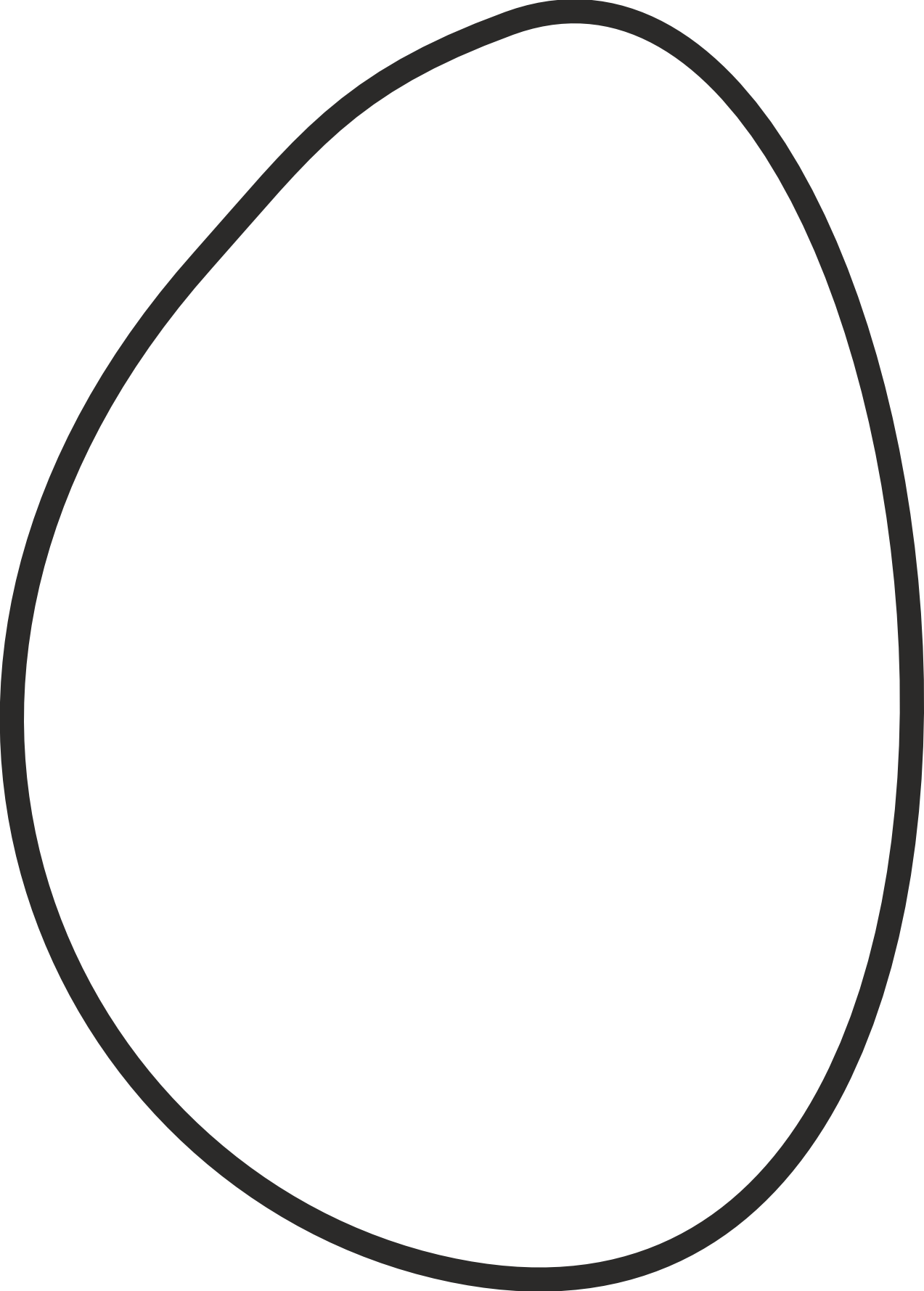
Pebble - A quirky off centre egg shape
Upper Arch - Classic, elegant lines
Lower Arch - Classic, elegant lines
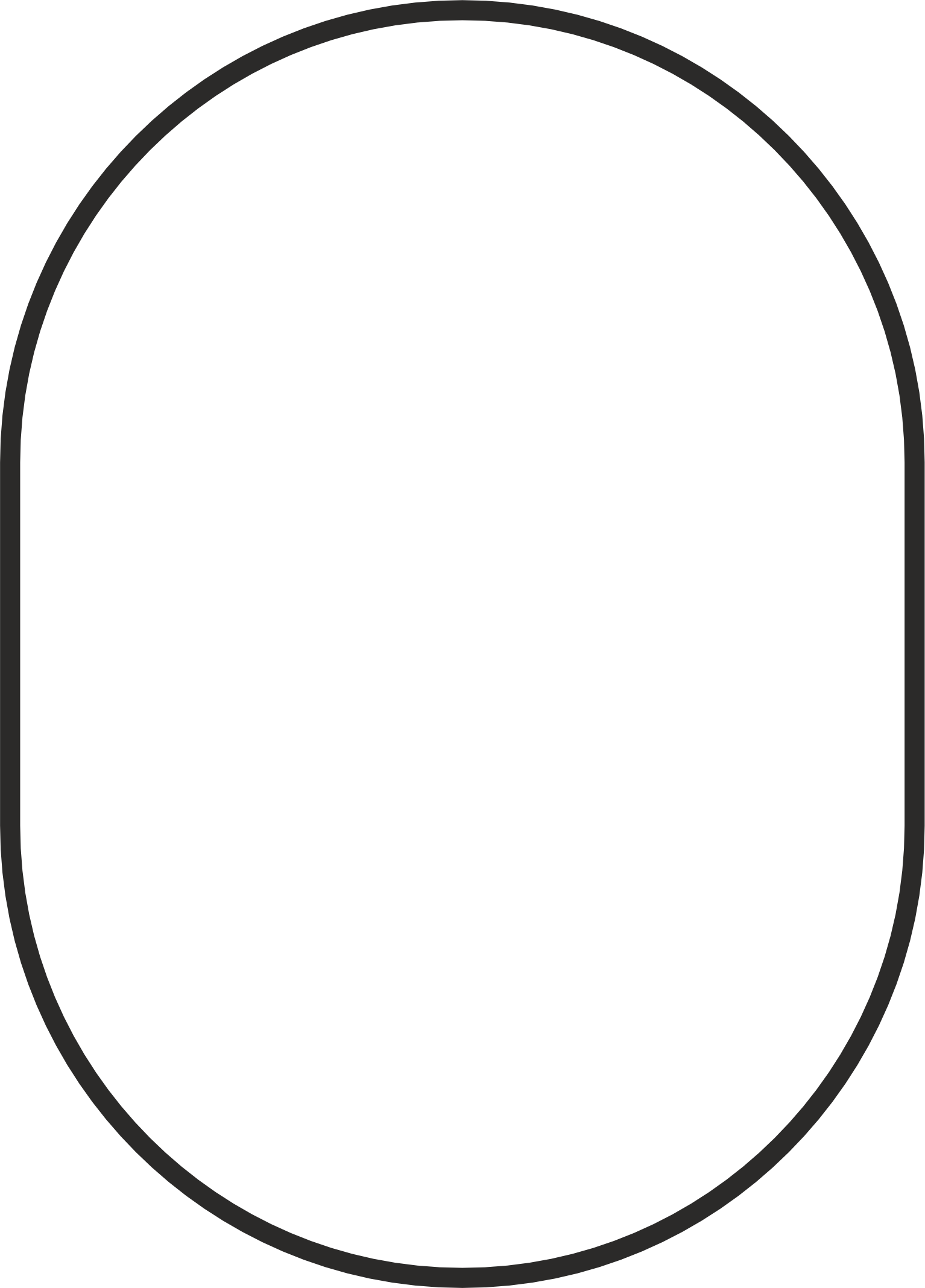
Double Arch - Rounded top and bottom
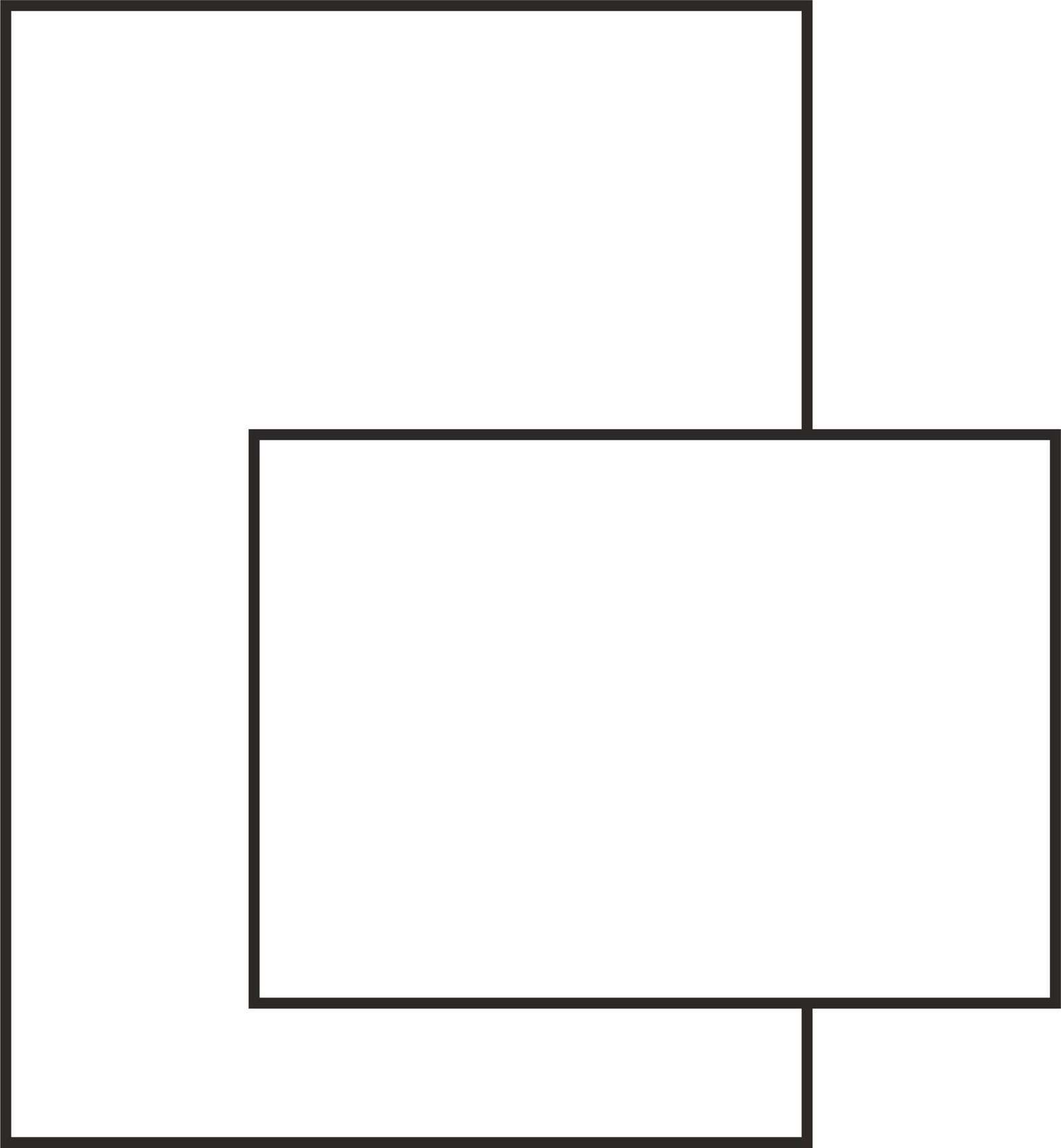
Standard - Simple Straight Lines
Wavy - A fun finish
Sizes - UK Paper Sizes
Name
Width (mm)
Height (mm)
Width (in)
Height (in)
A1
594
841
23.4
33.1
A2
420
594
16.5
23.4
A3
297
420
11.7
16.5
A4
210
297
8.3
11.7
A5
148
210
5.8
8.3
A6
105
148
4.1
5.8
A7
74
105
2.9
4.1
DL
99
210
3.9
8.3
148 × 148 mm
148
148
5.8
5.8
5" × 7"
127
178
5.0
7.0
Paper & Cardstocks - Understanding GSM
What Is GSM? A Simple Guide to Paper Weight When choosing paper or cardstock for your stationery, invitations, or print projects, you’ll often see the term GSM. Understanding it makes selecting the right material much easier. What Does GSM Mean? GSM stands for “grams per square metre.” It’s a universal measurement that tells you how much a sheet of paper weighs based on a 1m² area. In short: • Lower GSM = lighter, thinner paper • Higher GSM = thicker, heavier cardstock
Why GSM Matters GSM affects: • Thickness – how sturdy or flexible the paper feels • Opacity – how much show‑through you’ll get • Durability – how well it holds up for menus, signage, or keepsakes • Overall finish – from delicate sheets to premium, rigid card Choosing the right GSM ensures your stationery looks and feels exactly the way you want.
GSM Quick Guide
GSM Range
Description
Typical Uses
80–120gsm
Lightweight paper
Everyday printing, inserts, folded sheets
150–200gsm
Medium-weight paper
Posters, flyers, order of service, programs
250–300gsm
Standard cardstock
Invitations, menus, tags, premium stationery
How GSM Helps You Choose the Right Paper Whether you’re designing wedding invitations, crafting menus, or selecting materials for business stationery, GSM gives you a reliable way to compare thickness and quality across different paper types. It’s especially useful when browsing textured, specialty, or eco‑friendly papers—helping you understand how each option will feel in the hand and perform once printed.
Envelopes - What Size Do I need?
Understanding UK Envelope Sizes & What Fits Inside UK envelopes follow the same A‑series sizing system as paper, but with a twist: Each envelope is designed to hold the next size down. So an A5 print fits in a C5 envelope, an A6 print fits in a C6 envelope, and so on.
Below is a simple, visual guide.
Envelope Size
Dimensions (mm)
Fits Print Size
Common Uses
C7
81 × 114 mm
A7
RSVP cards, small notes
C6
114 × 162 mm
A6
Invitations, postcards, save‑the‑dates
C5
162 × 229 mm
A5
Invitations, order‑of‑service, menus
DL (C5/C6)
110 × 220 mm
DL (1/3 A4)
Slim invitations, vouchers, letters
C4
229 × 324 mm
A4
Documents, certificates, menus
C3
324 × 458 mm
A3
Large prints, artwork, posters
How Envelope Sizing Works (The Easy Version) • C‑series envelopes are designed to fit A‑series paper • The number tells you the match: • A6 print → C6 envelope • A5 print → C5 envelope • A4 print → C4 envelope • If you fold an A‑size sheet, it fits the next envelope down: • Fold A4 → A5, fits C5 • Fold A5 → A6, fits C6 This makes it super intuitive once you see the pattern.